
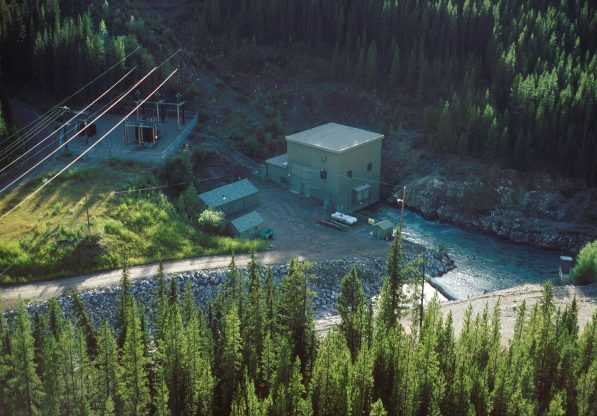
Pocaterra
The Pocaterra hydroelectric facility is located in Kananaskis, Alberta. The facility is one of TransAlta’s four hydro plants on the Kananaskis System, which is part of the Bow River Electric System in Alberta.
The Pocaterra Plant was named after surveyor George Pocaterra, a pioneer rancher from Italy. Pocaterra was one of the first to prospect for coal in the Kananaskis area. He was also known as the constant companion and blood brother of Spotted Wolf, a member of the Stoneys.
The plant generates an average of 29,000 megawatt-hours each year.
TransAlta’s hydroelectric plants, like Pocaterra, primarily provide electricity during periods of peak electrical demand and ensure system stability. Their operating flexibility means they can start quickly to introduce hydro power within minutes, balancing out shortages due to unexpected outages, or providing power at times of high demand.
Environmental highlights
Protection of the environment is an important part of our hydro power business, as is responsible water use. We continually work with environmental and community groups to ensure habitats are protected, and that all users’ needs are heard.
The Pocaterra hydroelectric facility has a UL ECOLOGO® Certification for Renewable Energy.
Penstock replacement
Pocaterra generates power by diverting water from the Lower Kananaskis Lake to turn a turbine. The water is all returned to the Kananaskis River downstream of the facility. The pipe that diverts the water, also known as a penstock, required upgrading.
Constructed in 1955, the penstock reached the end of its normal life span and was leaking at numerous locations along its 1.37 km stretch. After a detailed analysis, TransAlta replaced the wood stave penstock with a new steel one which would improve the efficient use of water.
The new penstock is now in operation.
Our ongoing commitment
TransAlta is committed to being a good neighbour and building long-term relationships with the community. Through a comprehensive public consultation process, TransAlta provided several opportunities for area residents, businesses and First Nations to learn more about the penstock replacement and provide feedback.
